Featured

ESSENTIALISM

Women in Colombia

As a young woman, I can definitely relate to the pressure of having to look a certain way. I can only imagine that this pressure would be even greater, if I lived in a country heralded as having the ‘sexiest women in the world’. 

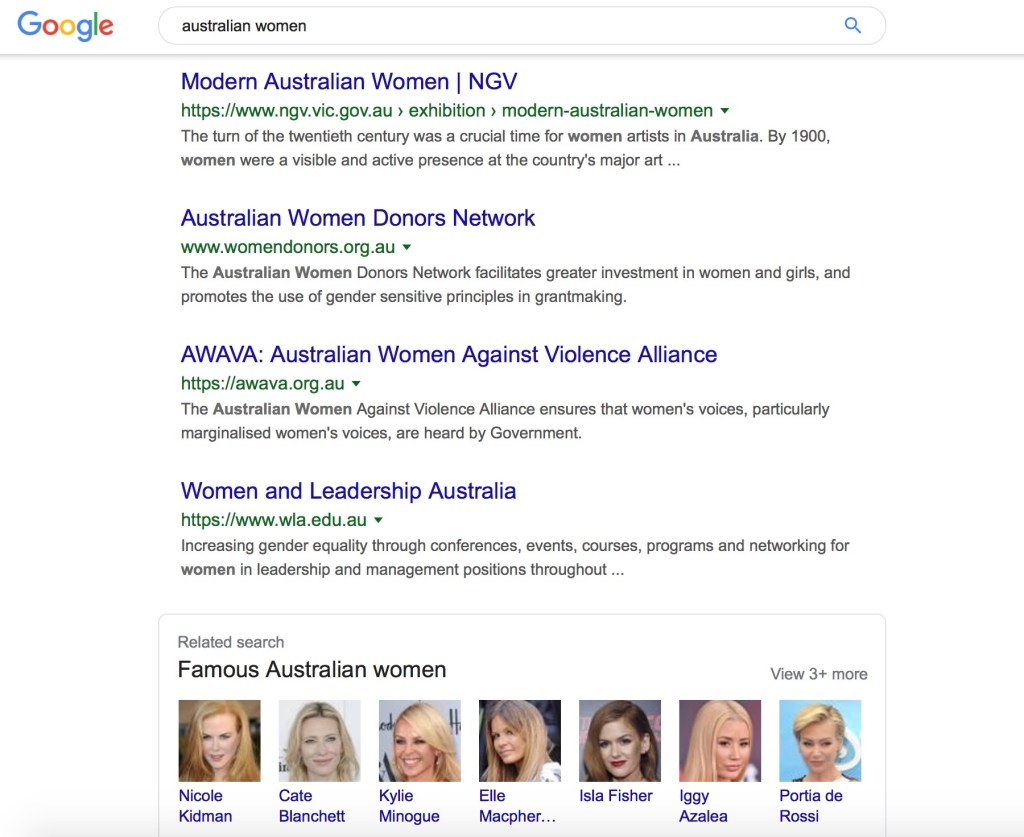
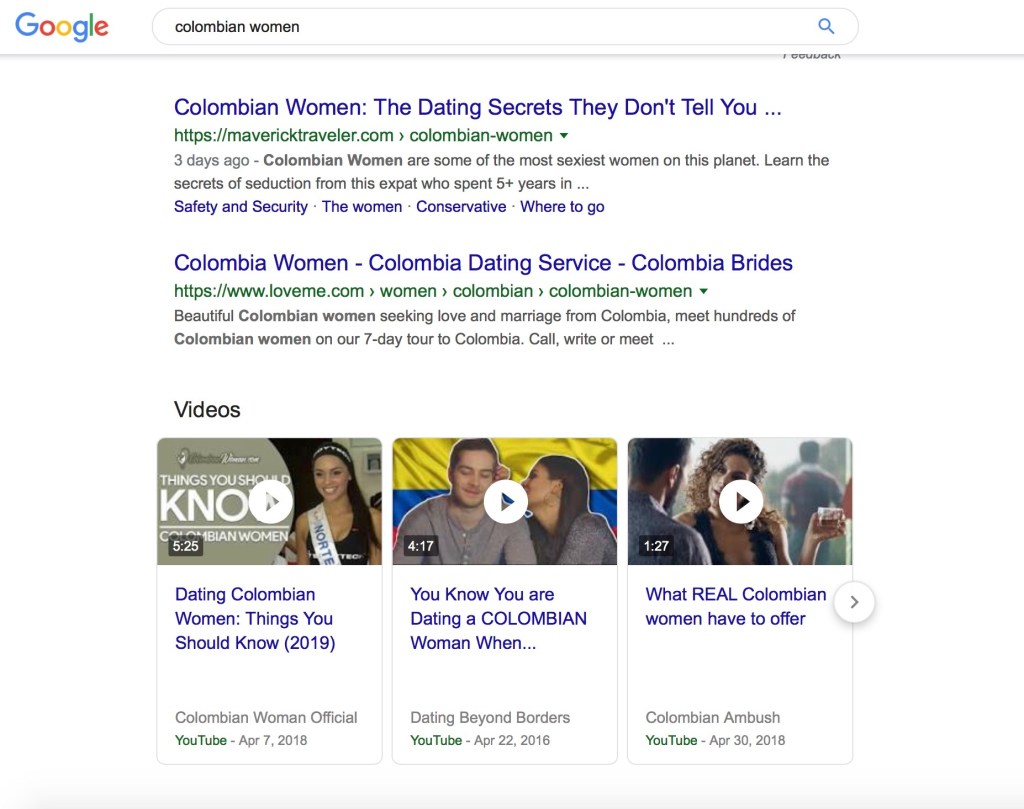
Colombia is known for it’s beautiful women and whilst you might say “thats a compliment”, it is also a stereotype that puts pressure on women to be physically attractive. A google search of ‘Australian women‘ generates words such as ‘leadership’ and ‘alliance’. In contrast, a google search of ‘Colombian women‘ generates results primarily related to dating them.
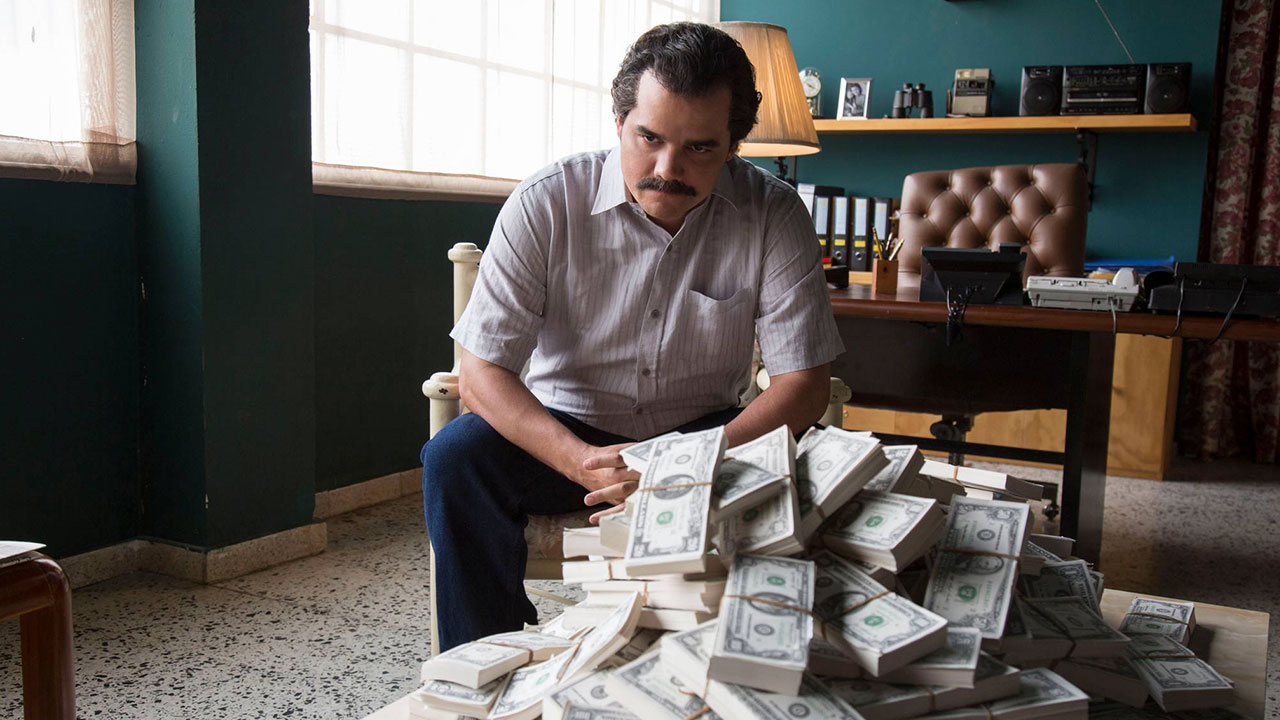
For the vast majority who will never visit Colombia, or meet anyone from there, their perception of the country is largely formed by it’s representation in pop culture. The music of Shakira, for example, is often of a sexual nature and her videos feature her dancing in little clothing. Similarly, the women in shows, such as ‘Narcos’, are virtually always attractive and tend to be prostitutes or gold diggers.

This stereotype not only puts pressure on women, but it also contributes to patriarchal dominance and gender inequality within the country. Research has found..

  • the gendered income gap to be at 20%
  • over 17,000 reported cases of sexual violence against women (with many more likely to go unreported)
  • only 8.1% of congress to be female

Although stereotypes such as this can be difficult to remove, change is starting to happen. Music star, Gelo, says she is trying to change perceptions about reggaeton, a genre in which ‘you have to show off your body’. Her lyrics focus on empowering women in other ways.  The government is also considering ways to reduce barriers to women’s leadership. This may be through education or by offering grants to political parties that encourage female participation. 
Featured

STREET ART

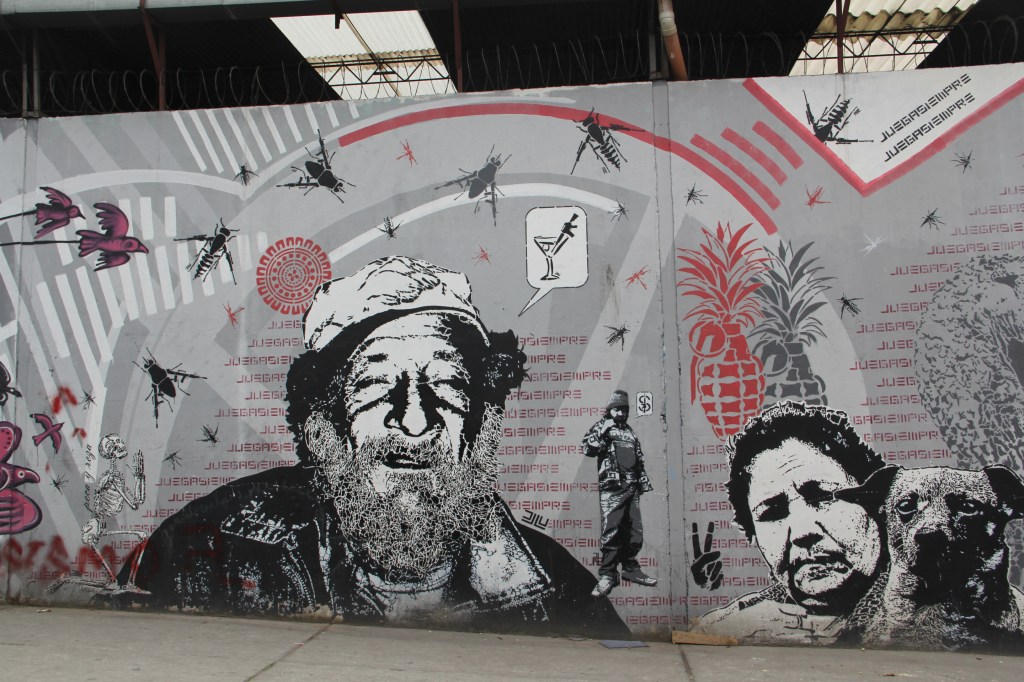
A mural by ‘Toxicómano’ and other local artists

When I first saw the art pictured above, I spent a few minutes trying to make sense of it. Whilst some things were obvious – the grenades and AK47’s as indicators of violence, for example – there were other things that I couldn’t quite work out. Who were the people? Why the flies?

The piece was done by a street collective called Toxicómano. They aim to inform and remind people in Bogotà of social issues. Street art has allowed the group, as well as many others, to share their opinions and emotions and this has been particularly important as the country moves past it’s violent history.

Although I did not fully understand the piece pictured above, it had made me stop and think. As I began to learn about the ‘false positives’ scandal upon which it is based, I realised the piece had done exactly what it was supposed to. The people in the picture represent the homeless who were lured to remote areas by the army, under the belief there would be opportunities for employment. Once there, they were killed and presented to the authorities as guerrilleros. The idea was to inflate the body count of rebels killed in battle so that the soldiers would receive promotions and other benefits. 

Toxicomano’s pieces can be found across the city and are beginning to gain international recognition as a result of social media. The piece has featured on the sites of National Geographic, Culture Trip and New York Magazine. These are reputable sites, used by tourists to find places worth visiting, and this has contributed to their popularity. Not only this, but the art offers real insight into Colombian culture, as opposed to the glossy picture that is sometimes painted by tourist information.

Featured

SYMBOL

The Netflix series ‘Narcos’

When I think of Colombia, I think of Escobar. And after Narcos hit our screens in 2015, I know this to be the same for many others. The show ignited somewhat of an obsession with the drug cartels that made billions producing and exporting cocaine out of the country. With some of the things they got up to, it’s not particularly surprising that it made for good TV. From Escobar’s successful election to the Colombian Congress, to the creation of his own prison that came complete with casino and spa.

Whilst the show has been a hit internationally, it has been subject to mixed reviews in Colombia itself. ‘Narcos’ joins a long list of films to depict the story of Escobar. These films portray the country in terms of drug cartels, civil conflict and corrupt politicians, fuelling a stereotype that Colombia has long been trying to shake off. These films also have a tendency to present Escobar as an icon. He was responsible for killing thousands of innocent people, yet memorabilia is sold to tourists on the streets of Medellin as if he were some sort of hero. The opening lines of the ‘Narcos’ trailer provides the perfect example..

‘During the early 80’s, the best smuggler in the world was Pablo Escobar. He was a living embodiment of the Colombian dream.’ 

Netflix, Youtube

Not only is it offensive to relate the ‘Colombian dream’ with narco-terrorism, but it also makes it easy to forget the extremity of his crimes and all of those who were effected by them. The tales of Escobar were not created by a screenwriter in Hollywood, for many people they were a horrid reality and this is something that is important to remember.

Featured

ABOUT ME

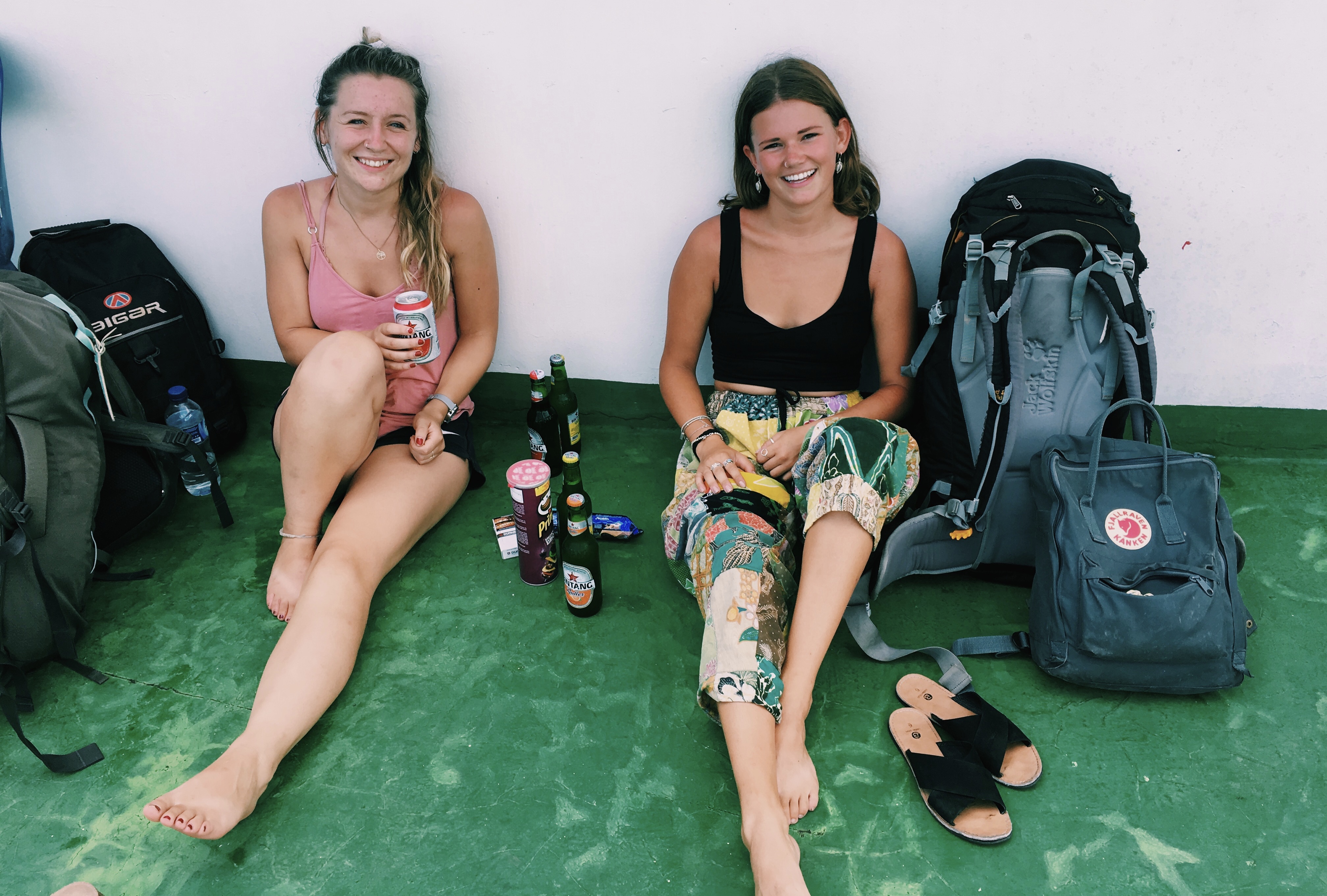
My friend Emma and I – backpacking in Indonesia last year

We live without a past or future, for a moment at least, and are ourselves up for grabs and open to interpretation.

— Pico Lyer.

Hi there. My name is Ella and this is my blog.

To me, travel is so exciting because it is filled with the unknown. New foods, new sights and different languages. Experiencing a new culture not only opens your mind to other values, beliefs and ways of doing things, but also provides the opportunity to connect with people that you would never normally of done so. I have been amazed by the kindness of people who are essentially strangers and become friends with people I would not of expected to have anything in common with. I think it serves as an important reminder of our shared humanity, particularly because we are constantly reminded of our differences.

I have always loved to travel and this is largely why I decided to leave my sleepy, little island in the English Channel and move to Melbourne. Moving overseas has allowed me to experience new places and make new friends, as well as confirmed that I want to continue traveling for the rest of my life. For the time being, I am attending university in Melbourne and broadening my knowledge of international affairs, politics and development through my studies.

This blog focuses on popular culture within, or relating to, Colombia. I bet if you look around you now, you will be able to see pop culture. The posters on your bedroom wall, for example, or the music playing as you walk around the supermarket. Popular culture underpins any community and having an understanding of it can be very helpful when visiting a place. It may provide a conversation starter with a local or alert you to a sight you must see. 

CULTURE SHOCK

Stray Animals

I imagine Colombia to be like a step back in time. I imagine cobbled streets and one-storey buildings, street vendors, vibrant markets and salsa music to be heard wherever I go. I would also imagine, however, that this is a slightly idealistic picture. 

My imagine of Colombia is largely based on how it is portrayed in popular culture. Although I am aware that this is not necessarily the reality.. I have never been and some of my perception is based on the movies and music videos that depict it. One thing that the movies do not show, is the number of stray animals. It would probably ruin the video if one were to wonder across!

I love animals and think I would find it upsetting to see them living malnourished or in poor conditions. At home, it is rare to see an animal living on the street and even in cases where they are, people will often feed them or they will be housed at a rescue centre. 

One way to minimise this culture shock, may be to volunteer at an animal welfare centre. Some of the cases that they deal with may be even more upsetting than the things seen on the street, but at least I would know I was doing something to help.

Culture shock can be difficult to deal with but I think it is also a good thing. Living in somewhere such as Australia, we tend to have a good quality of life and are sheltered from a lot of things. It is good to expose ourselves to a different way of life, even if it is upsetting at times. 

INTERNATIONAL ENGAGEMENT

Traditional Education Programme

New technology and mass media production has led to the spread of western culture across the globe. Colombia is no exception to this, especially with it’s relatively close proximity to the United States. Movies spread ideas of a culture that is often considered superior and outlets, such as McDonalds, see the spread of western consumption patterns. 

In order to maintain Colombian culture, and ensure that important traditions are not lost, I would propose an education programme in primary schools that teaches children about their heritage. This would require cooperation with the Colombian government, whilst implementation may be assisted by regional Non-governmental organisations. 

My skills would be valuable for such a pursuit. As I am undertaking an arts degree, I am good at providing contextual knowledge. This would enable me to research appropriate topics effectively and would give me a understanding of the political and social factors that have to be considered. I would of course need to work alongside locals as they would have the knowledge necessary to see that the programme is well received (eg. Customs etc.). 

I feel a programme such as this to be meaningful international engagement because it reduces some of the problems we have caused. Whilst globalisation may be considered progress, it is our ways of life that are overtaking others. We have a duty to maintain other cultures. 

Design a site like this with WordPress.com
Get started